
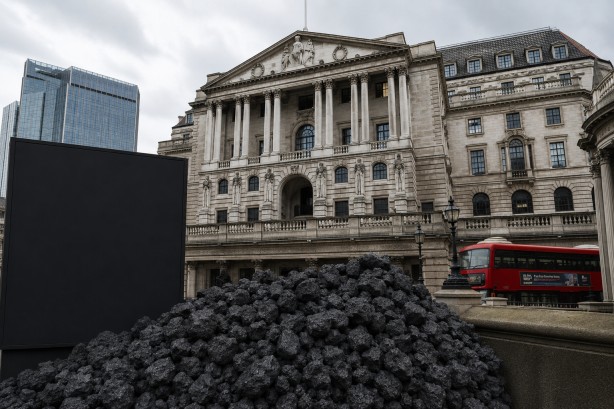
The Bank of England is set to cease accepting bonds associated with thermal coal companies as collateral for its lending operations come October. This decision marks a pivotal move in mitigating financial risks tied to climate change.
In the realm of finance, commercial banks, including major lenders, regularly use bonds as collateral when borrowing from the central bank to facilitate daily operations and transaction settlements. With the new policy, bonds linked to thermal coal—the fossil fuel primarily used in power plants to produce electricity—will be rendered ineligible.
According to the central bank, companies engaged in thermal coal activities are increasingly exposed to financial risks as global efforts to transition to cleaner energy and achieve net-zero emissions gain momentum. Consequently, assets related to coal may diminish in value over time.
The Bank of England’s policy extends to applying discounts on bonds from other sectors vulnerable to climate risks, aiming to safeguard its balance sheet from potential losses. Environmental advocacy groups have lauded the decision, asserting that it sends a strong message to financial markets and could prompt commercial banks to lessen their involvement with heavily polluting industries. Notably, over 150 major financial institutions worldwide already impose limitations on business dealings with the thermal coal sector.
Analysts emphasize that the policy’s success will hinge on the assessment of climate risks and whether similar measures will be implemented for other environmentally detrimental activities in the future.