
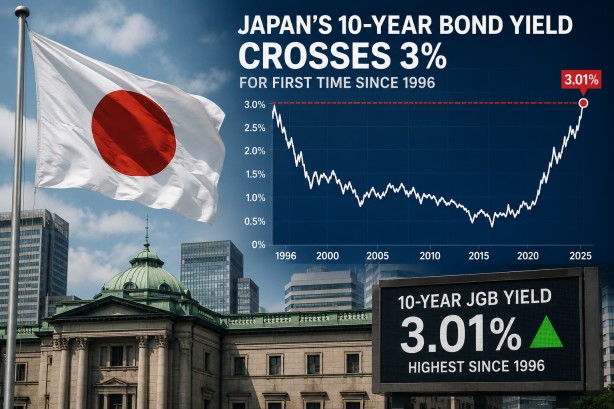
For the first time since 1996, Japan’s 10-year government bond yield has surpassed the 3% threshold, signaling a significant shift in the nation’s bond market and increasing the attractiveness of domestic fixed-income investments. This development is prompting a reevaluation among Japanese investors, who are reconsidering their overseas bond portfolios. So far this year, through August 22, Japanese investors have already pulled a net ¥3 trillion ($18.7 billion) from foreign debt markets, as per the latest data.
The appeal of domestic bonds is climbing, particularly as the costs associated with currency hedging diminish the returns on foreign investments. This trend is supported by a survey conducted among 82 Japanese corporate pension funds, which showed the strongest inclination to boost domestic bond holdings since the survey’s inception in 2008. The shift is noteworthy globally, as Japanese investors have traditionally been substantial purchasers of U.S. Treasuries and other international sovereign debt. A continued decline in their overseas acquisitions could exert upward pressure on global bond yields and borrowing costs.
The rise in Japanese bond yields is primarily fueled by inflation concerns, expectations of further rate hikes by the Bank of Japan, and increasing anxiety over Japan’s fiscal health. Despite these factors, analysts suggest that this trend is likely a gradual shift towards domestic assets rather than a rapid withdrawal from international markets.
In light of these changes, Japanese domestic bonds are becoming more competitive, attracting investors who previously sought opportunities abroad. This movement comes as the market adapts to evolving economic conditions and investor preferences, potentially altering the landscape of global capital flows.