
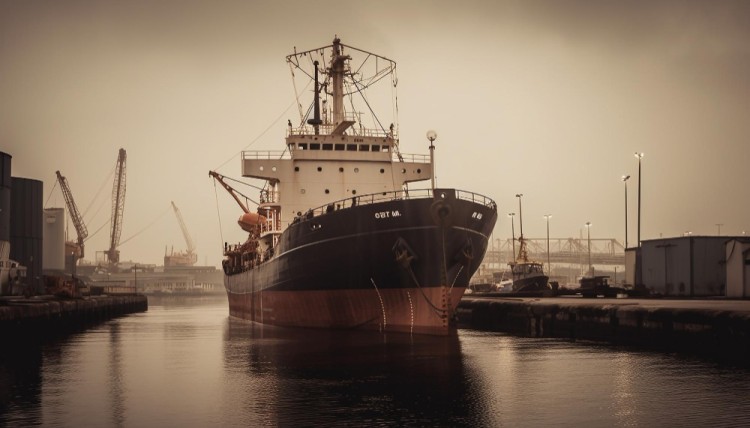
Despite a recent agreement between the United States and Iran, significant restrictions continue to affect commercial shipping through the Strait of Hormuz. Maritime industry officials emphasize that normal operations cannot resume until numerous naval mines are cleared from the area. The international tanker owners’ association reports that approximately 80 mines still pose a threat in the central shipping channel, rendering the primary route unsafe for commercial passage.
As a temporary measure, some vessels have started using a narrower route along the Omani coast. However, industry experts caution that this alternative increases the likelihood of groundings and maritime accidents. The ongoing disruption has left hundreds of ships stranded in the Gulf, leading to a backlog that may take weeks or even months to resolve. Additionally, shipping companies are grappling with electronic signal interference experienced during the conflict, which disrupted navigation systems and raised the risk of collisions in this critical waterway.
The Strait of Hormuz serves as a vital energy corridor, with a substantial portion of the world’s oil exports passing through it. Prolonged disruptions in this area could have implications for global supply chains, increase shipping costs, and impact energy markets. The continued instability in this strategic region underscores the importance of addressing the maritime clearance and safety concerns to restore normalcy.
Adding to the industry’s challenges, Iran has proposed introducing transit fees for commercial vessels once the current toll-free period comes to an end. Shipping companies argue that imposing such charges on international waters would contravene established maritime law and might set a concerning precedent for other major global shipping routes. Industry leaders are wary of the potential financial and operational implications of this proposal.